
 ★ 6.4
TapeMotion
Every film here was made on tape, made of tape or made about it. This guide gathers 151 films on twelve shelves: found footage horror, the tape sagas, monsters on tape and cursed tapes; mockumentaries, mixtapes and video stores, home movies and camcorder documentaries; and recordings as evidence, screen life, archive footage and the films behind the camera, with synopses, cast and where to watch.
Tape library
Found footage horrorFound footage horror
Rewind all (15)★ 6.4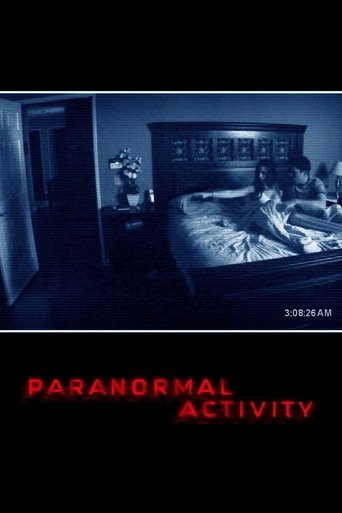 ★ 6.1
 ★ 6.3
 ★ 6.3
 ★ 6.3
 ★ 6.4
 ★ 6.6
 ★ 5.8
 ★ 5.7
 ★ 5.5
 ★ 6.1
 ★ 6.5
The tape sagasThe tape sagas
Rewind all (15)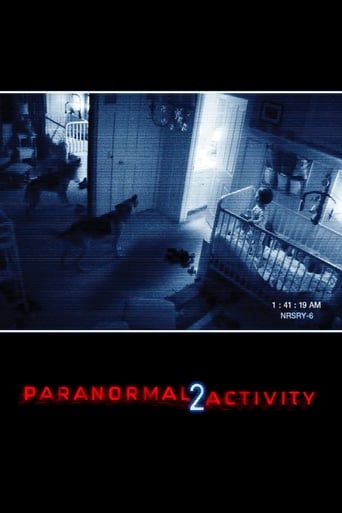 ★ 5.8
 ★ 5.9
 ★ 6.6
 ★ 5.2
 ★ 5.4
 ★ 6.1
 ★ 5.4
 ★ 5.3
 ★ 6.2
 ★ 4.4
 ★ 6.4
 ★ 4.8
Monsters and space on tapeMonsters and space on tape
Rewind all (12)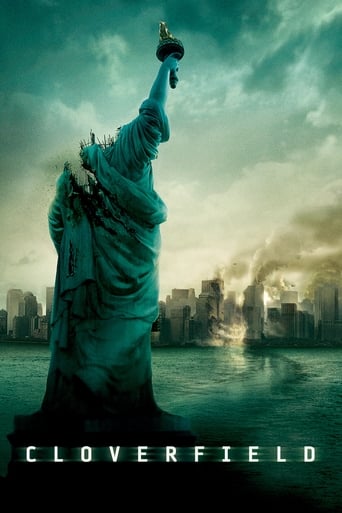 ★ 6.7
 ★ 6.9
 ★ 6.8
 ★ 6.7
 ★ 6.3
 ★ 5.3
 ★ 5.8
 ★ 4.7
 ★ 5.9
 ★ 5.9
 ★ 5.5
 ★ 6.4
Cursed tapesCursed tapes
Rewind all (14)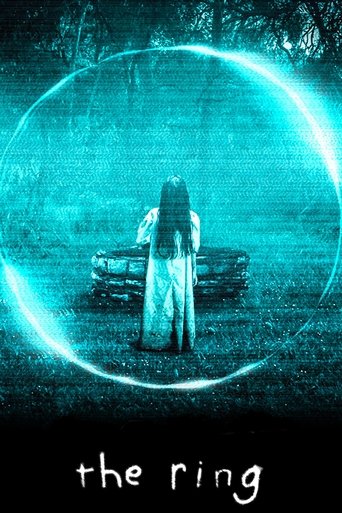 ★ 6.7
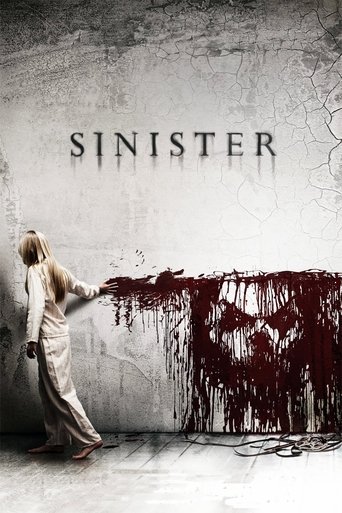 ★ 6.9
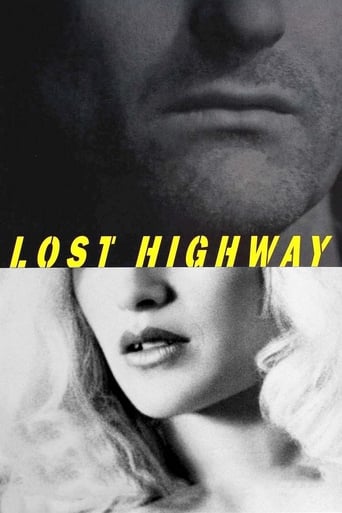 ★ 7.6
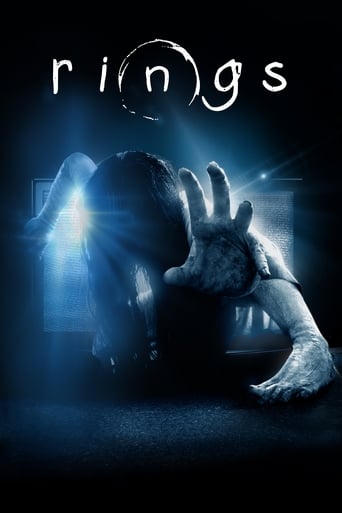 ★ 5.0
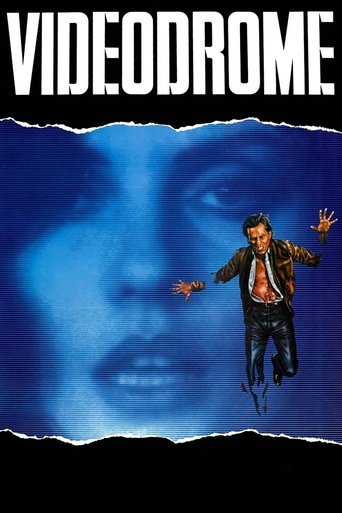 ★ 7.2
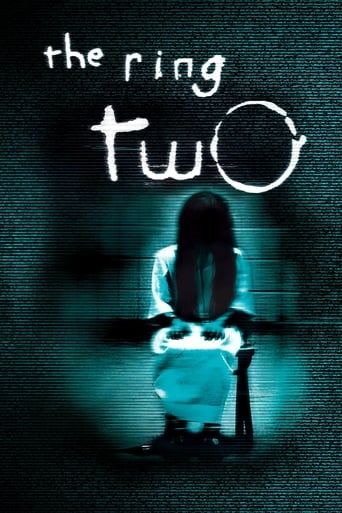 ★ 5.8
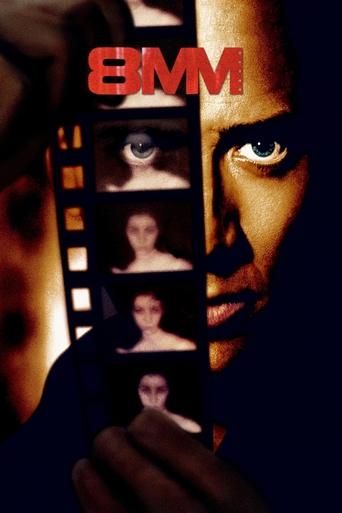 ★ 6.5
 ★ 5.9
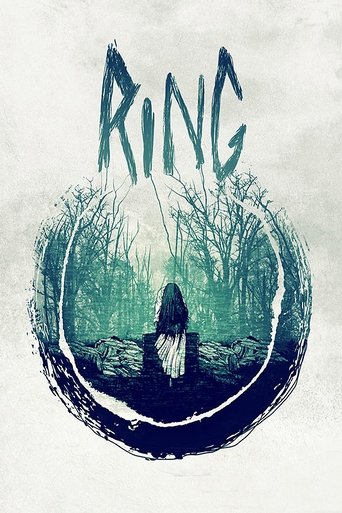 ★ 7.1
 ★ 6.5
 ★ 5.8
 ★ 5.7
MockumentariesMockumentaries
Rewind all (14) ★ 6.8
 ★ 7.5
 ★ 6.2
 ★ 7.4
 ★ 7.2
 ★ 7.4
 ★ 7.1
 ★ 6.9
 ★ 6.4
 ★ 6.5
 ★ 7.0
 ★ 6.8
Mixtapes and video storesMixtapes and video stores
Rewind all (11)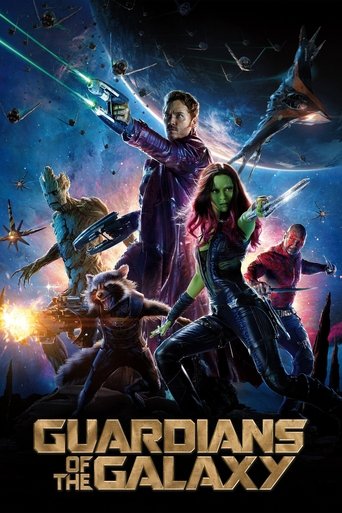 ★ 7.9
 ★ 7.4
 ★ 7.8
 ★ 7.4
 ★ 7.1
 ★ 7.0
 ★ 6.6
 ★ 6.9
 ★ 6.9
 ★ 6.5
 ★ 6.9
Home moviesHome movies
Rewind all (11) ★ 8.0
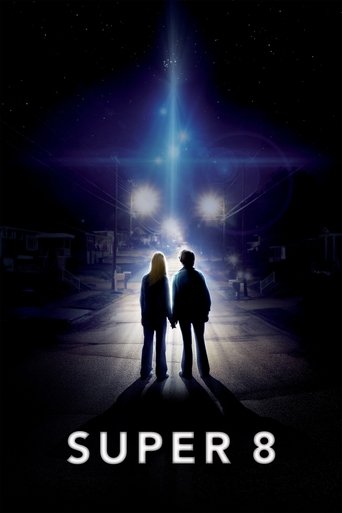 ★ 6.8
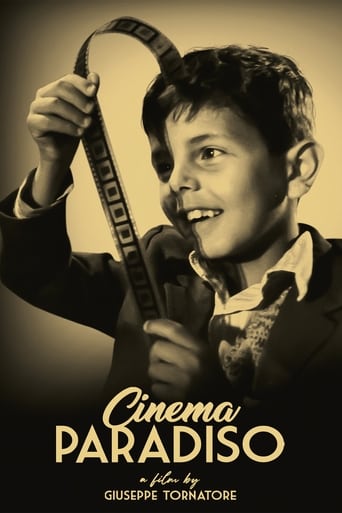 ★ 8.4
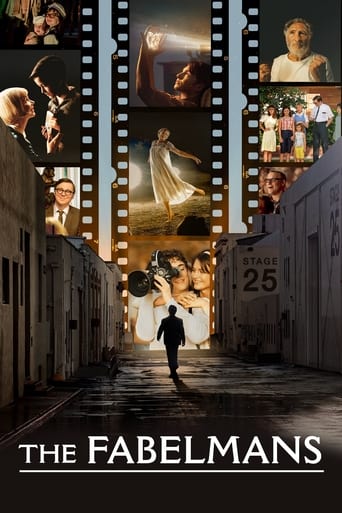 ★ 7.6
 ★ 8.1
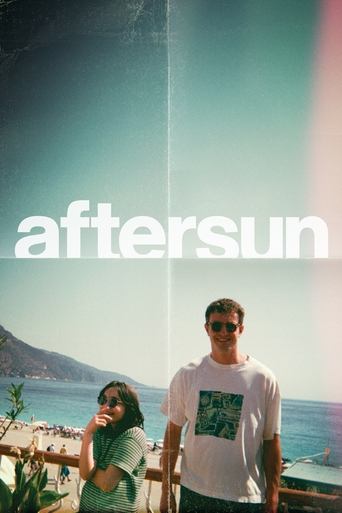 ★ 7.7
 ★ 7.5
 ★ 6.3
 ★ 7.0
 ★ 7.4
 ★ 6.9
Camcorder documentariesCamcorder documentaries
Rewind all (10) ★ 7.6
 ★ 7.5
 ★ 7.5
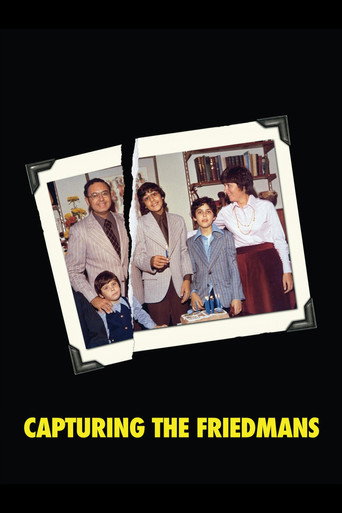 ★ 7.1
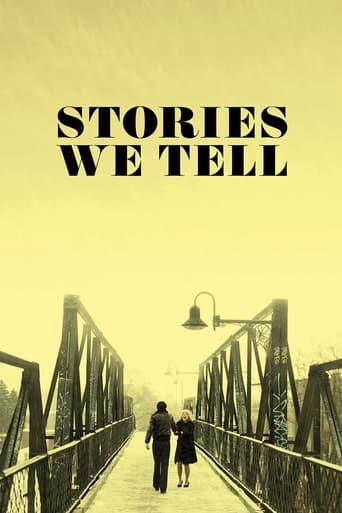 ★ 7.1
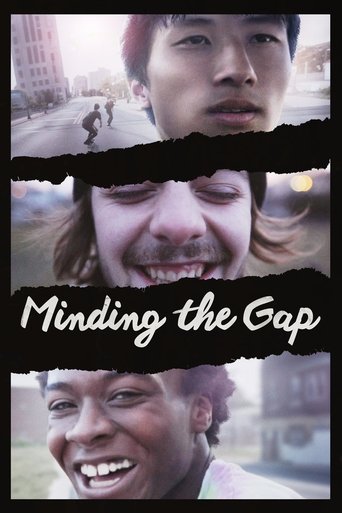 ★ 7.7
 ★ 7.1
 ★ 7.2
 ★ 6.7
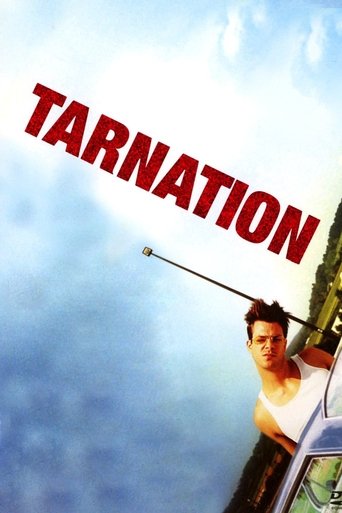 ★ 6.8
Tapes as evidenceTapes as evidence
Rewind all (12) ★ 7.1
 ★ 7.1
 ★ 8.0
 ★ 6.7
 ★ 7.5
 ★ 7.3
 ★ 7.0
 ★ 7.3
 ★ 7.0
 ★ 5.6
 ★ 6.5
 ★ 5.4
Screen lifeScreen life
Rewind all (13)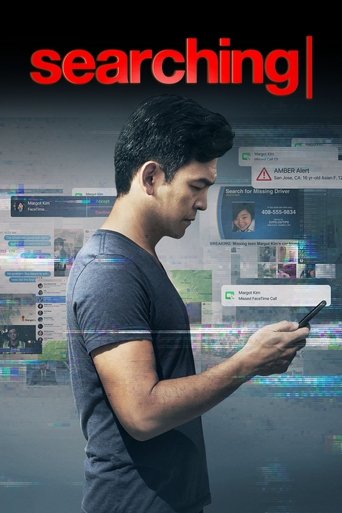 ★ 7.6
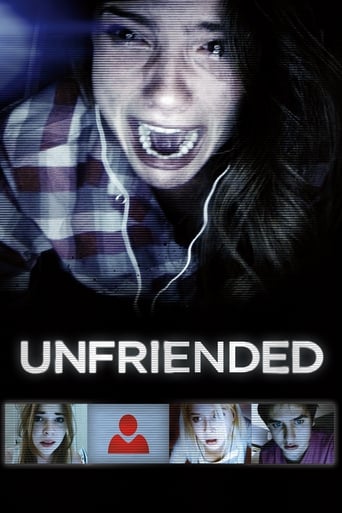 ★ 5.6
 ★ 6.3
 ★ 5.9
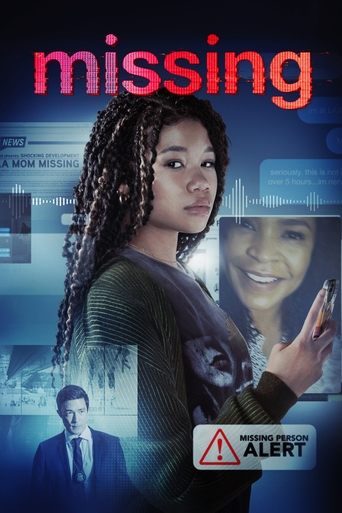 ★ 7.4
 ★ 6.6
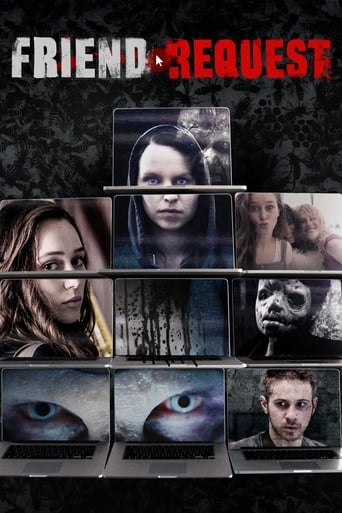 ★ 5.5
 ★ 6.4
 ★ 5.1
 ★ 6.3
 ★ 6.0
 ★ 6.9
Archive footageArchive footage
Rewind all (12)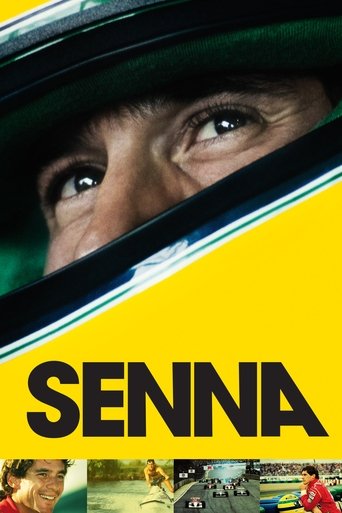 ★ 8.1
 ★ 7.6
 ★ 7.9
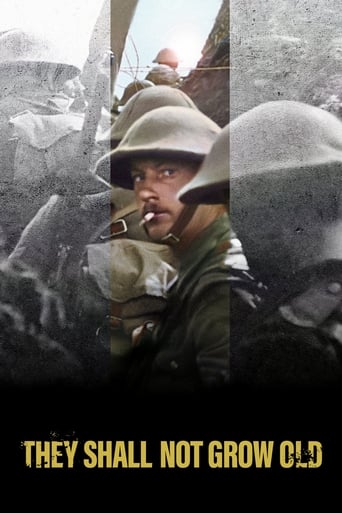 ★ 7.8
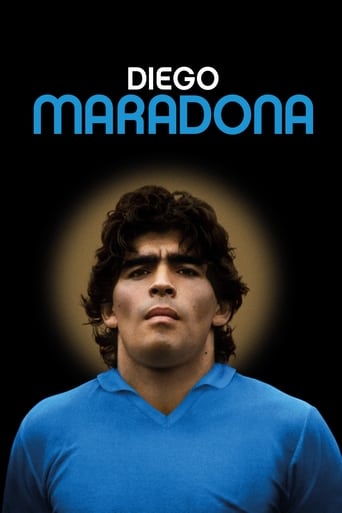 ★ 7.4
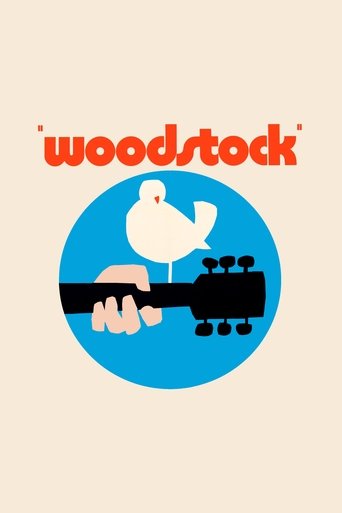 ★ 7.6
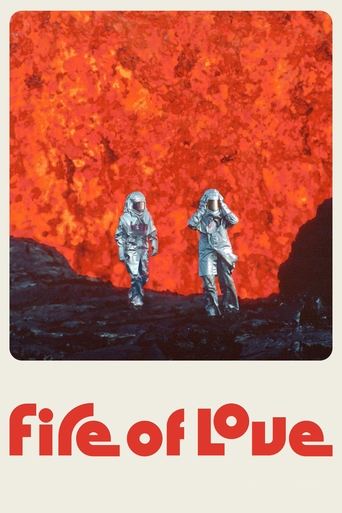 ★ 7.5
 ★ 7.3
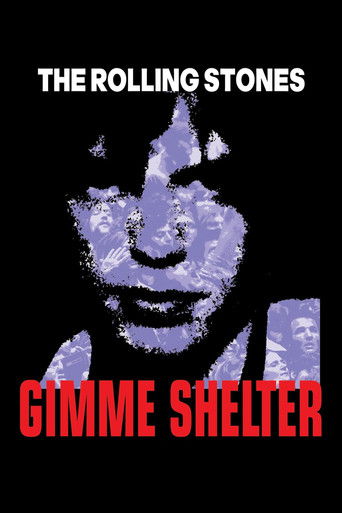 ★ 7.4
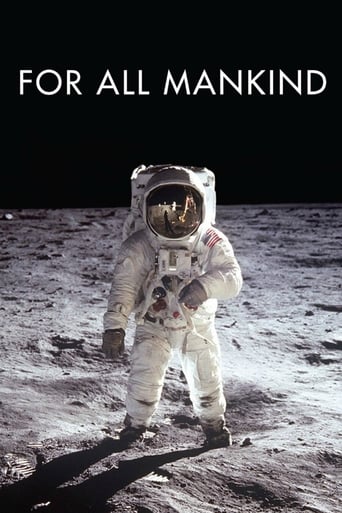 ★ 7.8
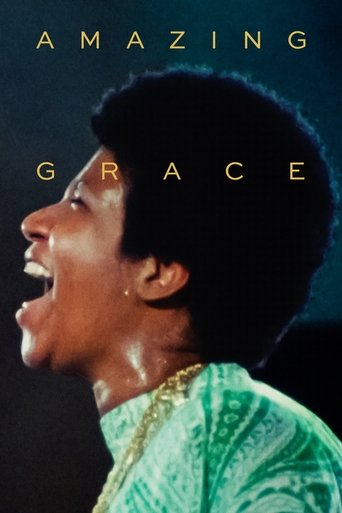 ★ 7.1
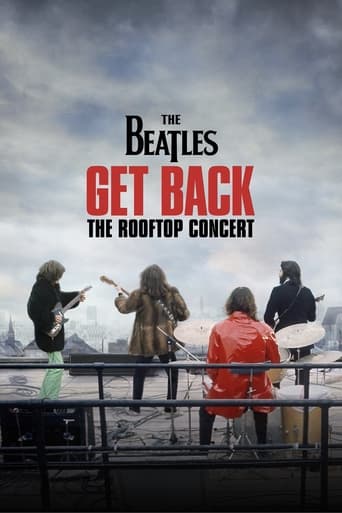 ★ 8.0
Behind the cameraBehind the camera
Rewind all (12)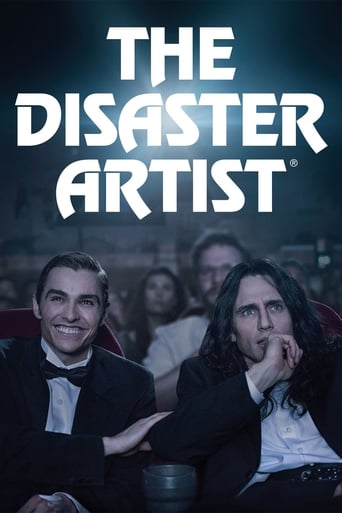 ★ 7.1
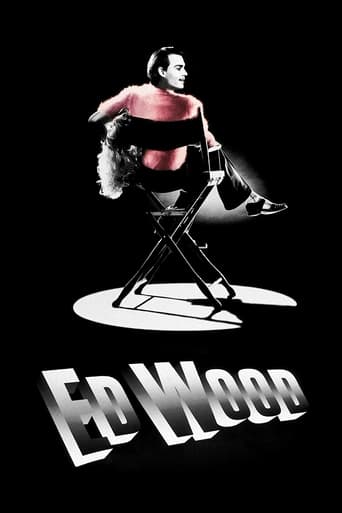 ★ 7.5
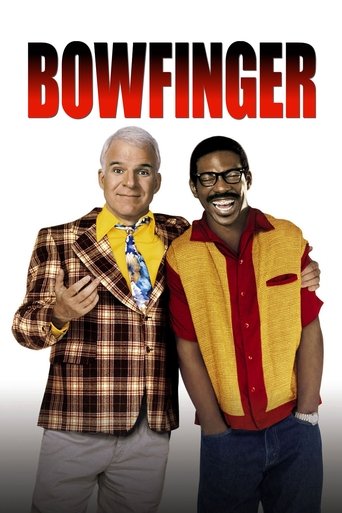 ★ 6.2
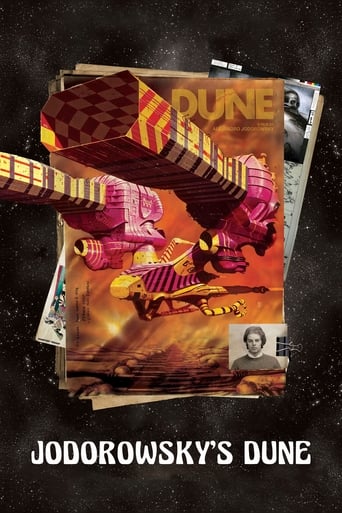 ★ 7.8
 ★ 6.1
 ★ 7.9
 ★ 7.2
 ★ 7.5
 ★ 7.0
 ★ 7.1
 ★ 7.6
 ★ 6.4
The TapeMotion guide
TapeMotion: press play on the films of tape
The age of tape
For half a century, the world recorded itself on tape. The magnetic tape of the studios carried the voices of radio and the songs of the records; the cassette put music in every pocket and every car, and the mixtape became a way to say what words could only half express; the videotape brought films into the living room, filled the shelves of the video stores and put a camera in the hands of every family with a camcorder. The cinema watched this happen and made films about it: thrillers in which a tape holds the proof of a crime, horror films in which a tape holds a curse, comedies that pretend to be documentaries and documentaries made from the home videos of the people they portray. And when the tape itself disappeared, the films moved on to the screens of laptops and phones, but kept the same idea: the recording as part of the story.
TapeMotion takes its name as a programme: tape in motion. This guide gathers 151 films in which the recording matters, from Peeping Tom, of 1960, to V/H/S/85 and Missing, of 2023, and sorts them on twelve shelves in three families, with an English synopsis, the cast and director of each film and a Watch now button that opens it on JustWatch, where you can see the services that offer it in your country. The guide Start with TapeMotion picks one film from each shelf, and the guide How the tapes work explains the selection.
The first family, Found footage, holds the films that pretend to be recordings discovered after the event: found footage horror, the long sagas of Paranormal Activity and V/H/S, the monsters and space missions caught on camera, and the cursed tapes. The second, On tape, holds the films of tape as culture: mockumentaries, mixtapes and video stores, home movies and the documentaries made from camcorders. The third, On the record, holds the films in which a recording is evidence or memory: tapes and surveillance, the screen-life films told on computer screens, the documentaries of archive footage and the films behind the camera. Together the films carry about 300,200 votes on TMDB, with an average rating of 6.66; the most voted is Guardians of the Galaxy, whose hero carries his mother's mixtape across the galaxy, and the best rated is Cinema Paradiso, of 1988, with an 8.4.
The name and the look
The Wayback Machine holds only fragments of the name: a parked page of tapemotion.com in 2013 and a page offering the domain for sale in 2021, a parking frame for tapemotion.net and an expired domain page for tapemotion.co, also of 2013. With only these fragments to go on, this guide has an original design, built from the objects of the video age. The page is the near-black of a television between channels, crossed by the faint lines of a picture tube. The logo is a small cassette with the rainbow stripes of the labels of the 1980s and a red recording dot, and the introduction sits on a cream cassette label with the same stripes and a red REC in the corner.
The board of the home page is the Tape library, twelve cassette spines with cream labels and coloured stripes, each with its family typed in small capitals, its name and its number of films. Each shelf opens with the blue PLAY label that a video recorder printed on the screen, in a monospace face like the on-screen text of the machines, and closes with a Rewind all button; each poster carries the year in a red badge, the TMDB rating in a small dark label and, at the bottom, the tag of its shelf in blue capitals, like the on-screen display of a VCR. The guide The look of TapeMotion explains each colour.
How the tapes work
Every film of the guide gives the recording a part in its story. Some are made as if they were recordings, the found footage films and the screen-life films; some are about recordings, the cursed tapes, the mixtapes, the surveillance thrillers and the home movies; and some are made of recordings, the documentaries built from archive footage or from the camcorders of their subjects. The films were chosen by hand from TMDB, and each one sits on a single shelf; each shelf keeps up to fifteen of its most voted films and lists them by votes, so that the best known come first.
The guide is in English, and 139 of its films are in English; the others are Japanese, from the original Ring to Noroi, Italian, French, German, Spanish and Norwegian, from Cinema Paradiso to Caché, The Lives of Others, the Spanish [REC]² and the Norwegian Troll Hunter. The guide How the tapes work sums up the rules.
Found footage
The first family, Found footage, gathers 56 films that pretend to be recordings found after the event: a camcorder recovered from the woods, the footage of a security camera, the tapes left by a family that disappeared. Its films carry about 110,000 votes, with an average of 6.04, the lowest of the three families, because the genre is cheap to make and its imitators are many; but its best films changed the business of horror. The guide Found footage sums up the family, and the guide The found footage boom tells the story of the genre.
Found footage horror
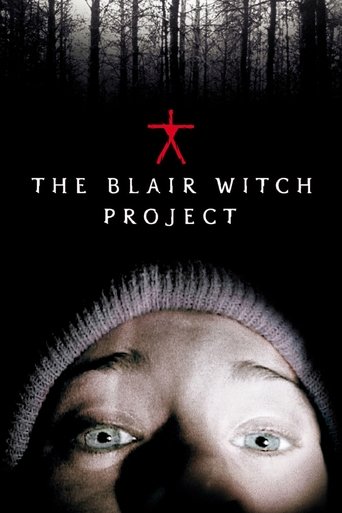
The shelf Found footage horror holds fifteen films from 1980 to 2015. Its most voted film is the one that made the genre famous: The Blair Witch Project, of 1999, by Daniel Myrick and Eduardo Sánchez, three students who disappear in the woods of Maryland while making a documentary about a local legend, shot on a tiny budget and sold by a website that let many viewers believe the footage was real; it became one of the most profitable films ever made. Ten years later Paranormal Activity, by Oren Peli, made in his own house for about fifteen thousand dollars, a couple who film their nights to catch the demon that haunts them, repeated the miracle for Paramount.
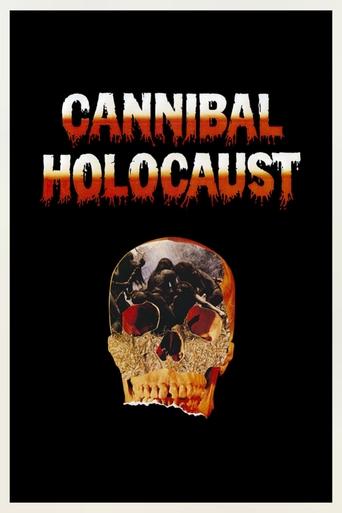
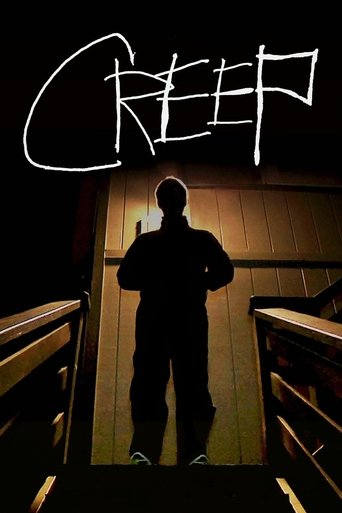
The ancestor of the shelf is Cannibal Holocaust, of 1980, by Ruggero Deodato, in Italian, the footage of a film crew lost in the Amazon, so convincing that its director had to prove in court that his actors were alive. The later films found new places to hide a camera: the ghost-hunting television show of Grave Encounters, of 2011, in an abandoned asylum; the grandparents of The Visit, of 2015, by M. Night Shyamalan, filmed by two children; the documentary about a woman with Alzheimer's that turns into a possession in The Taking of Deborah Logan, of 2014; the stranger who hires a videographer in Creep, of 2014, with Mark Duplass; the haunted-house attraction of Hell House LLC, of 2015, and the travel vlog of a young man who becomes a vampire in Afflicted, of 2014.
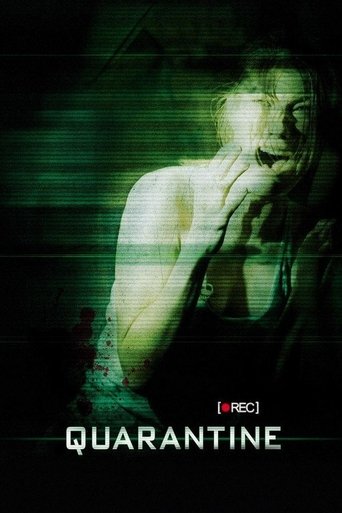
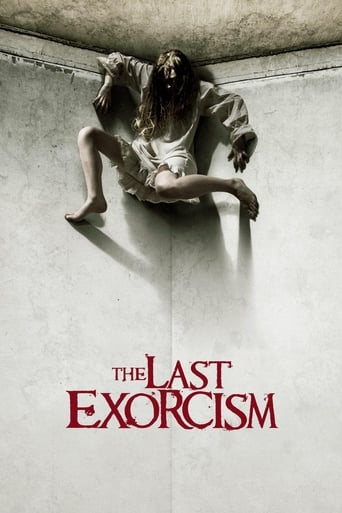
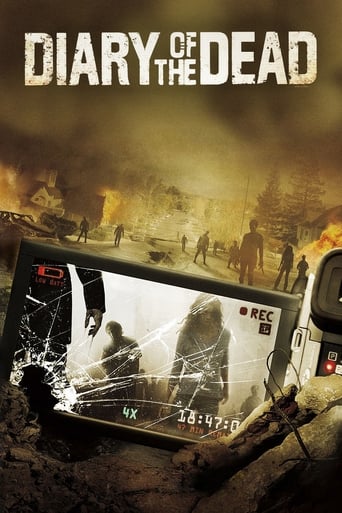
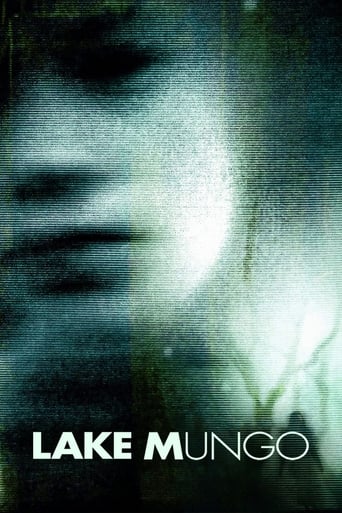
The best rated film of the shelf is Japanese: Noroi: The Curse, of 2005, by Kōji Shiraishi, the last documentary of a paranormal investigator who vanished, rated 6.9. Lake Mungo, of 2009, an Australian documentary of grief about a drowned girl who seems to appear in the photographs of her family; Quarantine, of 2008, the American remake of the Spanish REC; The Last Exorcism, of 2010, a preacher who fakes exorcisms until he meets a real case; Diary of the Dead, of 2007, in which George A. Romero, the father of the zombie film, turns to the camcorder, and Willow Creek, of 2013, a hunt for Bigfoot by Bobcat Goldthwait, complete it.
The tape sagas
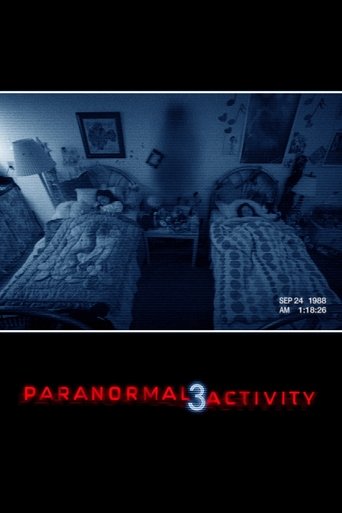
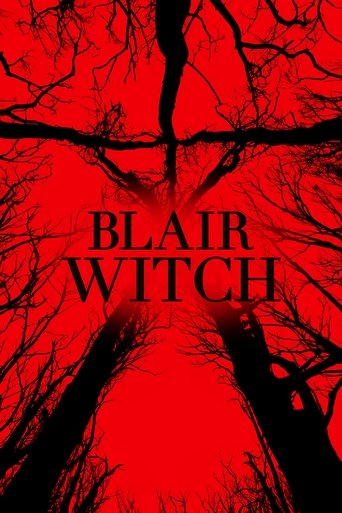
The shelf The tape sagas holds fifteen films from 2000 to 2023, the sequels and series that the hits of found footage inspired, and with an average of 5.68 it is the lowest rated shelf of the guide. Paranormal Activity gave five of them: Paranormal Activity 2, of 2010, the most voted, Paranormal Activity 3, of 2011, set in the 1980s with the tapes of a VHS camera, Paranormal Activity 4, of 2012, Paranormal Activity: The Marked Ones, of 2014, and Paranormal Activity: The Ghost Dimension, of 2015. The Blair Witch returned twice: Book of Shadows: Blair Witch 2, of 2000, by the documentary maker Joe Berlinger, rated 4.4, the lowest of the shelf, and Blair Witch, of 2016, by Adam Wingard.
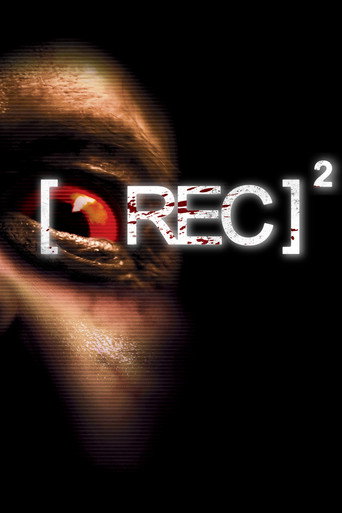
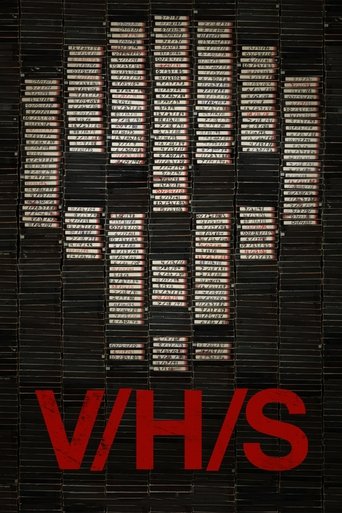
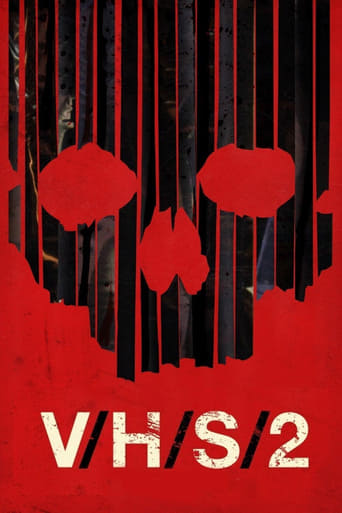
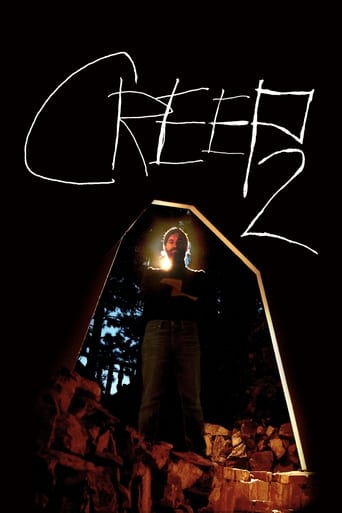
Wingard also directed segments of V/H/S, of 2012, the anthology of short found footage films linked by a stack of videotapes found in a house, and of V/H/S/2, of 2013; the series continued with V/H/S: Viral, of 2014, V/H/S/94, of 2021, V/H/S/99, of 2022, and V/H/S/85, of 2023, each set in the year of its title. The best rated film of the shelf is Spanish: [REC]², of 2009, by Jaume Balagueró and Paco Plaza, which picks up the siege of the infected apartment building of Barcelona the moment the first film ended, now through the helmet cameras of a police squad, rated 6.6. Creep 2, of 2017, brings back Mark Duplass and his video camera, with a 6.4.
Monsters and space on tape
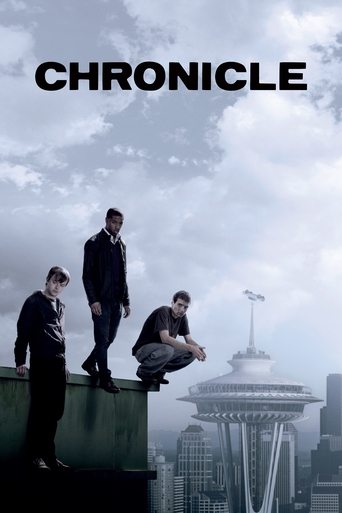
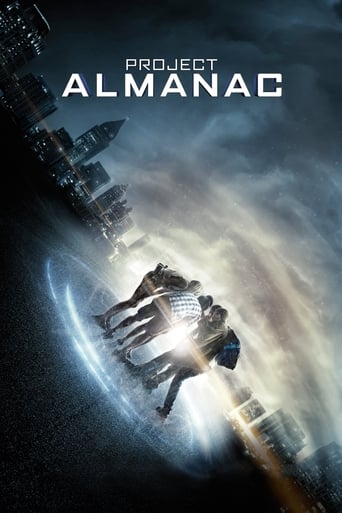
The shelf Monsters and space on tape holds twelve films from 2008 to 2017, in which the camera catches something larger than a ghost. Its most voted film is Cloverfield, of 2008, by Matt Reeves, produced by J. J. Abrams, the footage of a farewell party in New York that becomes the record of a monster attack on Manhattan, and its best rated is Chronicle, of 2012, by Josh Trank, three teenagers who gain telekinetic powers and film everything they do with them, rated 6.9. Project Almanac, of 2015, follows students who build a time machine from the plans of a father, and the Norwegian Troll Hunter, of 2010, by André Øvredal, a team of students who follow a government hunter of trolls through the mountains of Norway.
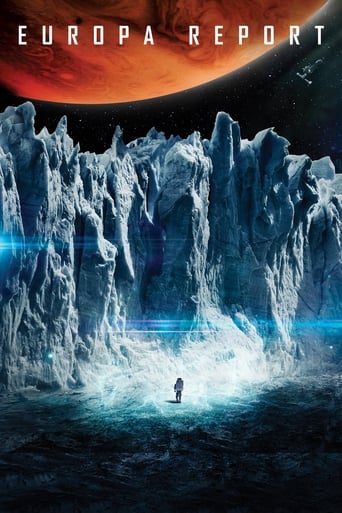
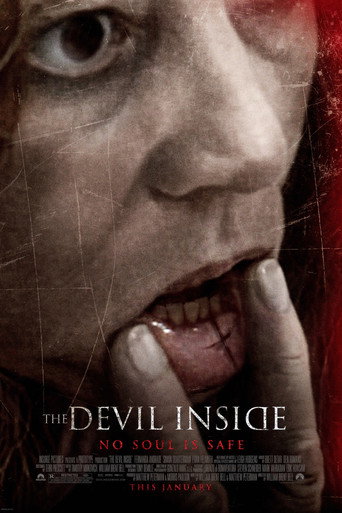
Space has its own found footage: Apollo 18, of 2011, the secret mission to the Moon whose footage was hidden, and Europa Report, of 2013, a private mission to the icy moon of Jupiter. The rest of the shelf hunts monsters closer to home: The Bay, of 2012, by Barry Levinson, an outbreak in a town of the Chesapeake Bay told with the videos of its residents; Exists, of 2014, a Bigfoot by Eduardo Sánchez, one of the two makers of The Blair Witch Project; Phoenix Forgotten, of 2017, three teenagers who vanished after the lights over Phoenix in 1997; Alien Abduction, of 2014; Earth to Echo, of 2014, a family adventure of children and a little alien, and The Devil Inside, of 2012, the lowest rated of the shelf, an exorcism in Rome.
Cursed tapes
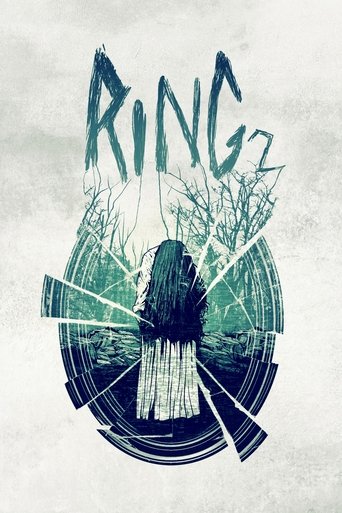
The shelf Cursed tapes holds fourteen films from 1983 to 2018 about recordings that harm the people who watch them, and it is the shelf of Sadako. Ring, of 1998, by Hideo Nakata, in Japanese, the videotape that kills its viewers seven days after they watch it, rated 7.1, began the wave of Japanese horror; Nakata directed its sequel Ring 2, of 1999, and later the American sequel The Ring Two, of 2005, after Gore Verbinski had remade the original as The Ring, of 2002, with Naomi Watts, the most voted film of the shelf. The Spiral, of 1998, the first sequel adapted from the novels; Rings, of 2017, and Sadako vs. Kayako, of 2016, in which the ghost of the tape meets the ghost of The Grudge, by Kōji Shiraishi, the director of Noroi, complete the saga.
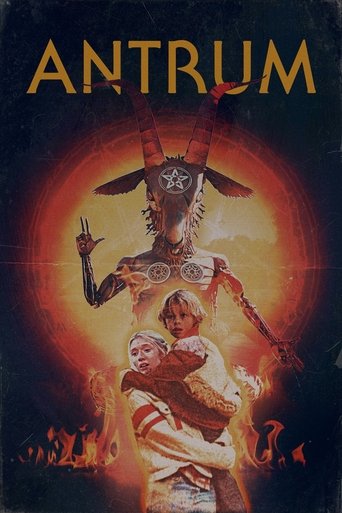
The best rated film of the shelf is Lost Highway, of 1997, by David Lynch, a saxophonist who finds videotapes left on his doorstep that show his own house from the inside, rated 7.6. Videodrome, of 1983, by David Cronenberg, a signal of television that transforms its viewers; Sinister, of 2012, by Scott Derrickson, with Ethan Hawke as a writer who finds a box of Super 8 films of murders in the attic of his new house, rated 6.9, and Sinister 2, of 2015; 8MM, of 1999, with Nicolas Cage as a detective who investigates a snuff film; The Poughkeepsie Tapes, of 2007, the tapes of a serial killer, and Antrum, of 2018, a film said to kill those who see it, complete the shelf.
On tape
The second family, On tape, gathers 46 films of tape as part of everyday life: the fake documentaries of the mockumentary, the mixtapes and the video stores, the home movies that families shot on film and video, and the documentaries made from those camcorders. With about 129,400 votes and an average of 7.14 it is the most voted and best rated family of the guide. The guide On tape sums up the family.
Mockumentaries
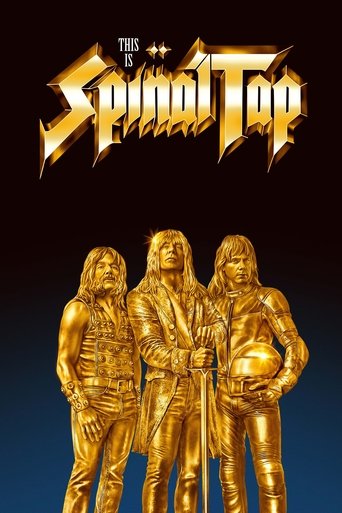
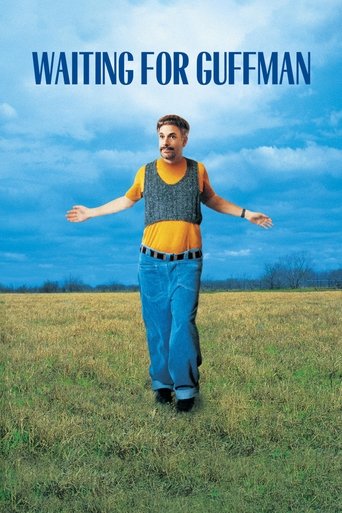
The shelf Mockumentaries holds fourteen comedies from 1969 to 2014 that pretend to be documentaries, and it holds the film with the best pun on tape in the history of the cinema: This Is Spinal Tap, of 1984, by Rob Reiner, the tour of a British heavy metal band in decline, with its amplifier that goes up to eleven and its tiny Stonehenge, rated 7.4. Christopher Guest, who played the guitarist Nigel Tufnel, went on to direct three mockumentaries of his own, all on the shelf: Waiting for Guffman, a community theatre in Missouri; Best in Show, of 2000, a dog show, and A Mighty Wind, of 2003, a reunion of folk singers.
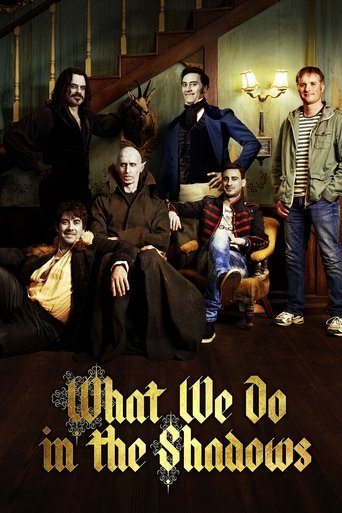
The best rated film of the shelf is What We Do in the Shadows, of 2014, by Jemaine Clement and Taika Waititi, four vampire flatmates in Wellington followed by a documentary crew, rated 7.5, and the most voted is Borat, of 2006, with Sacha Baron Cohen as a Kazakh reporter touring America, filmed with real people who believed the documentary was real. Woody Allen made two films of the shelf, Take the Money and Run, of 1969, the oldest, the life of an incompetent criminal, and Zelig, of 1983, a man who takes on the appearance of whoever is near him, inserted into the newsreels of the 1920s and 1930s. Man Bites Dog, of 1992, a Belgian film in French, follows a serial killer whose film crew slowly becomes his accomplice; Behind the Mask: The Rise of Leslie Vernon, of 2006, interviews a slasher who prepares his next massacre; Drop Dead Gorgeous, of 1999, follows a beauty pageant of Minnesota; CB4, of 1993, with Chris Rock, a rap group; Hard Core Logo, of 1996, a punk band of Canada, and Jackass Presents: Bad Grandpa, of 2013, a road trip of hidden-camera pranks. The guide The mockumentary follows the genre from Woody Allen to Wellington.
Mixtapes and video stores
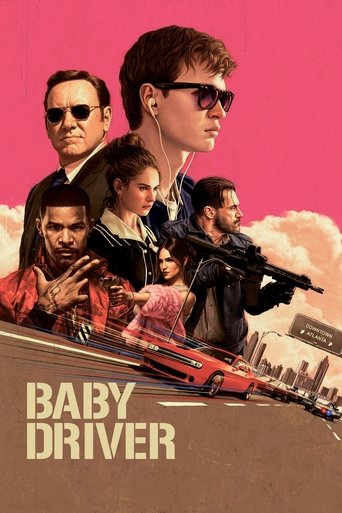
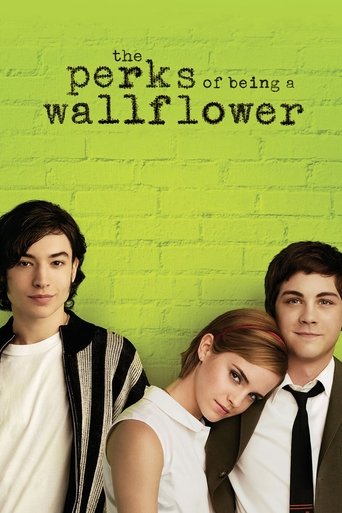
The shelf Mixtapes and video stores holds eleven films from 1989 to 2023, and it holds the most voted film of the guide: Guardians of the Galaxy, of 2014, by James Gunn, in which Peter Quill carries across the galaxy a Walkman and the Awesome Mix his mother made for him, whose songs of the 1970s became the soundtrack of the film, rated 7.9. Baby Driver, of 2017, by Edgar Wright, gives its getaway driver a tinnitus he drowns in music and a habit of recording conversations on cassette to make his own mixes, and The Perks of Being a Wallflower, of 2012, by Stephen Chbosky, from his own novel, is a story of friendship told partly through a mixtape, rated 7.8.
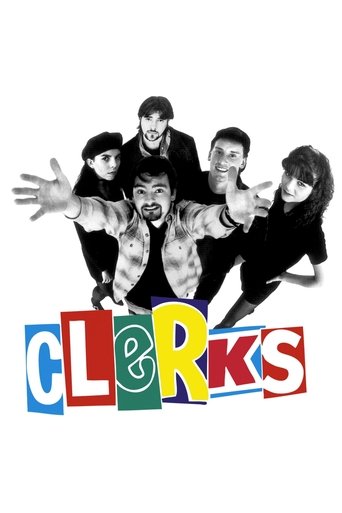
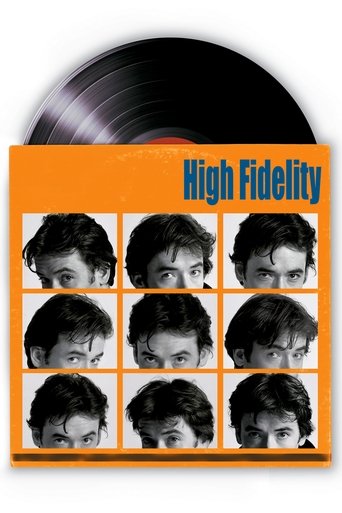
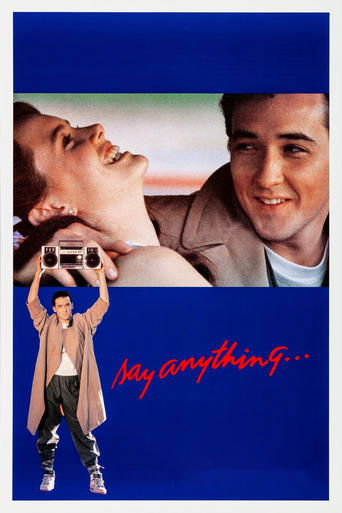
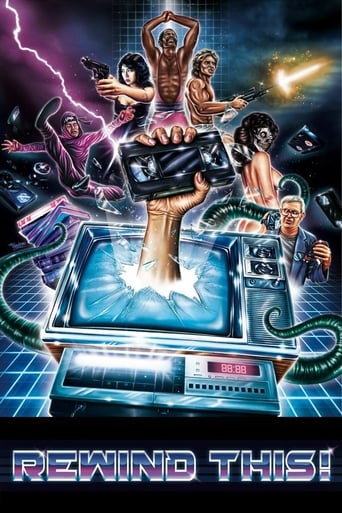
The romance of the cassette belongs to Say Anything, of 1989, by Cameron Crowe, whose hero holds a boombox over his head outside the window of the girl he loves, and to High Fidelity, of 2000, by Stephen Frears, with John Cusack as a record-store owner who makes top-five lists and compilation tapes for every occasion; Mixtape, of 2021, follows a girl of 1999 trying to rebuild the mixtape her late parents left behind. The video store has its comedies, Clerks, of 1994, by Kevin Smith, shot at night in the convenience store and video store where he worked, and Empire Records, of 1995, a record store saved by its staff, and its documentaries: Rewind This!, of 2013, the story of VHS; Adjust Your Tracking, of 2013, the collectors of tapes, and Kim's Video, of 2023, the hunt for a legendary collection of videotapes from New York that ended up in a village of Sicily.
Home movies
The shelf Home movies holds eleven films from 1960 to 2022 in which a camera in the hands of an amateur changes the story, and with an average of 7.42 it is one of the best rated shelves of the guide. Its best rated film is the best rated of all: Cinema Paradiso, of 1988, by Giuseppe Tornatore, the friendship of a boy and a projectionist in a Sicilian village, which ends with a reel of film that the projectionist left behind, rated 8.4. Paris, Texas, of 1984, by Wim Wenders, has its own home movie, a reel of Super 8 in which a lost father sees his family as it once was, rated 8.1, and American Beauty, of 1999, by Sam Mendes, the most voted film of the shelf, rated 8.0, has a teenage neighbour who films everything, from a dying bird to a plastic bag dancing in the wind.
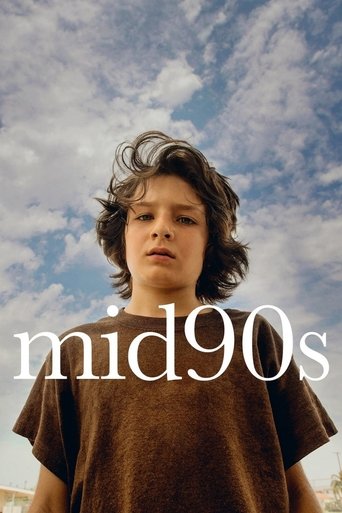
The filmmakers remember their own cameras. The Fabelmans, of 2022, by Steven Spielberg, tells how a boy with an 8-millimetre camera discovered, while editing a family holiday, a secret of his parents; Super 8, of 2011, by J. J. Abrams, produced by Spielberg, follows children making a zombie film on Super 8 who capture a train crash and the creature it frees; Aftersun, of 2022, by Charlotte Wells, with Paul Mescal, rebuilds a holiday in Turkey from the camcorder tapes of a daughter and her young father, rated 7.7, and mid90s, of 2018, the first film of Jonah Hill, follows a boy of Los Angeles who joins a crew of skaters, one of whom films everything. Be Kind Rewind, of 2008, by Michel Gondry, with Jack Black and Mos Def remaking the films of an erased video store with a camcorder, closes the decade of the VHS.
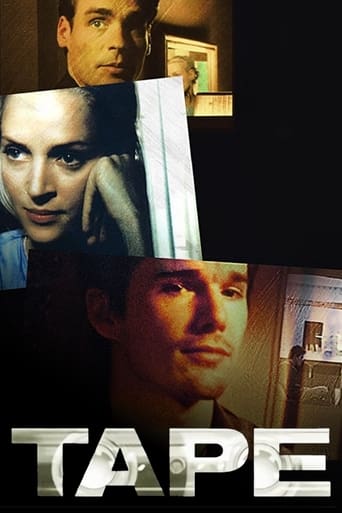
The older films of the shelf use the camera as a weapon. Peeping Tom, of 1960, by Michael Powell, the oldest film of the guide, follows a young cameraman who films women as he kills them, a film so shocking in its day that it nearly ended the career of its director, rated 7.4; sex, lies, and videotape, of 1989, the first film of Steven Soderbergh, the winner of the Palme d'Or at Cannes, follows a man who records women talking about their intimate lives, and Tape, of 2001, by Richard Linklater, with Ethan Hawke and Uma Thurman, traps three old friends in a motel room where a confession is recorded on a cassette.
Camcorder documentaries
The shelf Camcorder documentaries holds ten documentaries from 2003 to 2020 built from the home videos of their subjects or their makers. Its most voted is Amy, of 2015, by Asif Kapadia, the life of the singer Amy Winehouse told almost entirely with the videos of her friends, her family and the paparazzi, rated 7.6, the winner of the Academy Award for documentary, and its best rated is Minding the Gap, of 2018, by Bing Liu, who turned the skateboarding videos he shot as a teenager in Rockford, Illinois, into a portrait of his friends and their violent homes, rated 7.7.
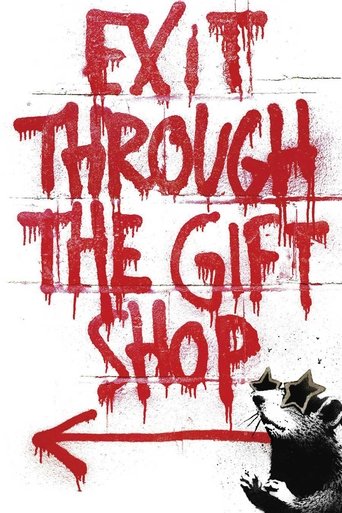
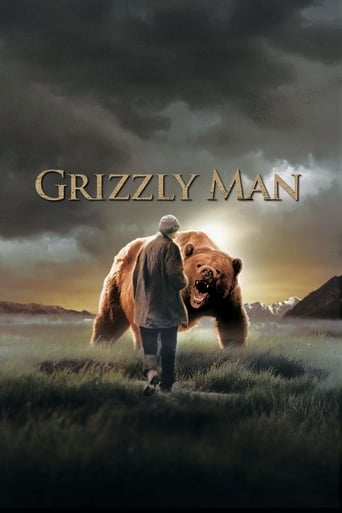
The others are among the most personal films of the guide. Grizzly Man, of 2005, by Werner Herzog, is made from the hundred hours of footage that Timothy Treadwell filmed among the bears of Alaska before one of them killed him; Capturing the Friedmans, of 2003, uses the home videos of a family of Long Island torn apart by an accusation of abuse; Tarnation, of 2003, was edited by Jonathan Caouette from twenty years of his own home movies on a home computer; Stories We Tell, of 2012, by Sarah Polley, rebuilds the life of her mother with old home movies and staged ones; Shirkers, of 2018, by Sandi Tan, recovers a film she shot as a teenager in Singapore whose reels were stolen by her mentor; Exit Through the Gift Shop, of 2010, signed by Banksy, follows a French shopkeeper who filmed street artists until he became one, and Kirsten Johnson, a camerawoman of documentaries, made two films of the shelf: Cameraperson, of 2016, a memoir assembled from the footage of her career, and Dick Johnson Is Dead, of 2020, in which she stages the death of her own father to prepare for losing him.
On the record
The last family, On the record, gathers 49 films in which a recording is evidence or memory: the surveillance thrillers built around a tape, the screen-life films told on the screens of computers and phones, the documentaries made from archive footage and the films about the making of other films. Its films carry about 60,800 votes, with an average of 6.93. The guide On the record sums up the family.
Tapes as evidence
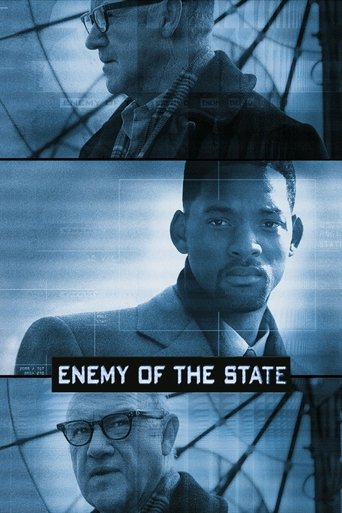
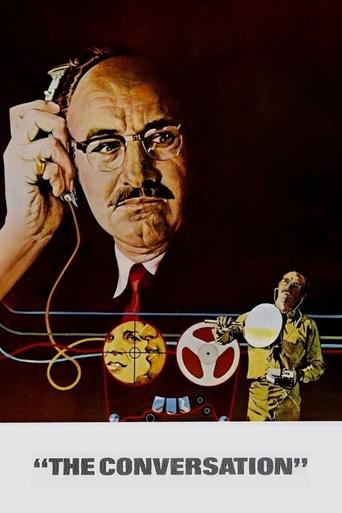
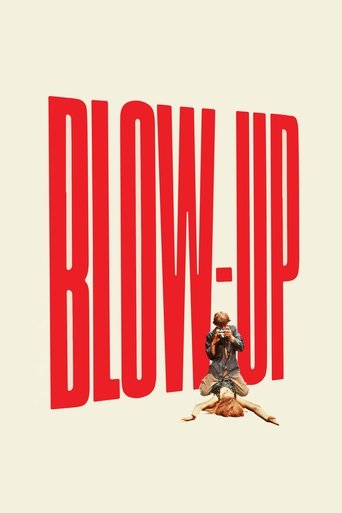
The shelf Tapes as evidence holds twelve films from 1966 to 2016, and it holds three classics of the paranoid cinema of the recording. Blow-Up, of 1966, by Michelangelo Antonioni, a fashion photographer of London who enlarges a photograph until he finds a body in a park; The Conversation, of 1974, by Francis Ford Coppola, with Gene Hackman as a surveillance expert who records a couple in a square of San Francisco and becomes obsessed with what he heard, the winner of the Palme d'Or, rated 7.5, and Blow Out, of 1981, by Brian De Palma, with John Travolta as a sound man who records an accident that was really a murder. Gene Hackman played a surveillance expert again in Enemy of the State, of 1998, by Tony Scott, with Will Smith as a lawyer pursued by a government agency after a tape slips into his shopping bag.
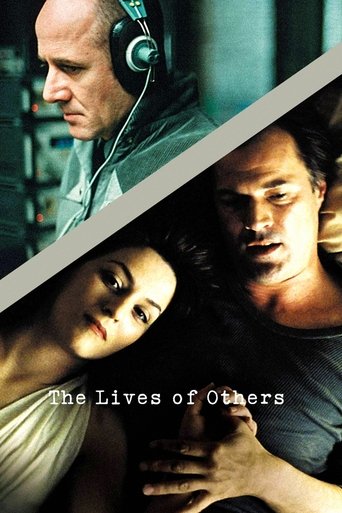
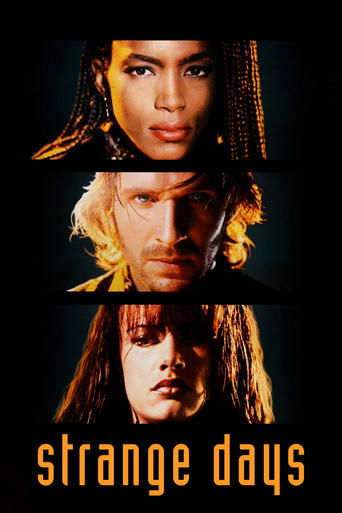
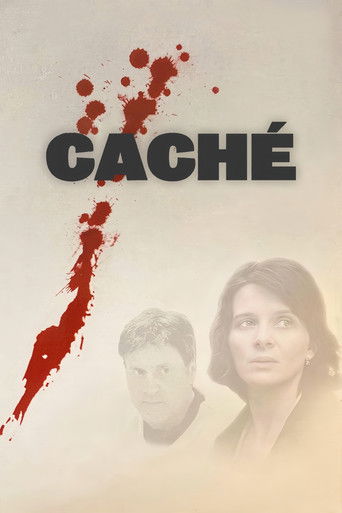
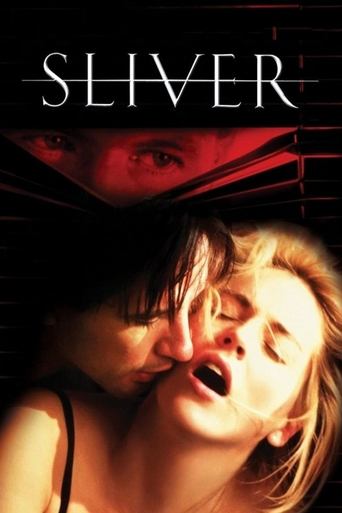
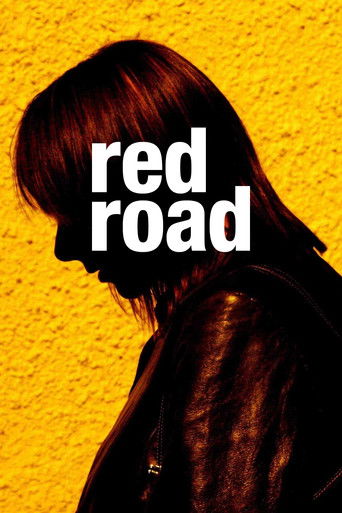
The best rated film of the shelf is German: The Lives of Others, of 2006, by Florian Henckel von Donnersmarck, an officer of the Stasi in East Berlin who listens to the recordings of a playwright and his partner and begins to protect them, rated 8.0, the winner of the Academy Award for foreign language film. Its most voted is Snowden, of 2016, by Oliver Stone, with Joseph Gordon-Levitt as the contractor who revealed the surveillance programmes of the United States. Caché, of 2005, by Michael Haneke, in French, sends a family anonymous videotapes of their own house; Red Road, of 2006, by Andrea Arnold, follows a woman who watches the cameras of Glasgow and recognises a man from her past; Strange Days, of 1995, imagines recordings of memories traded on the black market; Disturbia, of 2007, updates Rear Window for a teenager under house arrest; Sliver, of 1993, hides cameras in the flats of a building of Manhattan, and Look, of 2007, is told entirely through the images of security cameras. The guide The paranoid tape follows the surveillance thrillers.
Screen life
The shelf Screen life holds thirteen films from 2013 to 2023 told entirely on the screens of computers and phones, the found footage of the age of the internet. The producer Timur Bekmambetov championed the form, and he directed one film of the shelf, Profile, of 2018, a journalist who infiltrates the recruiters of a terrorist group through video calls. Its best rated and most voted film is Searching, of 2018, by Aneesh Chaganty, with John Cho as a father who searches the laptop of his missing daughter, rated 7.6, and its sequel Missing, of 2023, turns the story round, a daughter searching for her missing mother, rated 7.4.
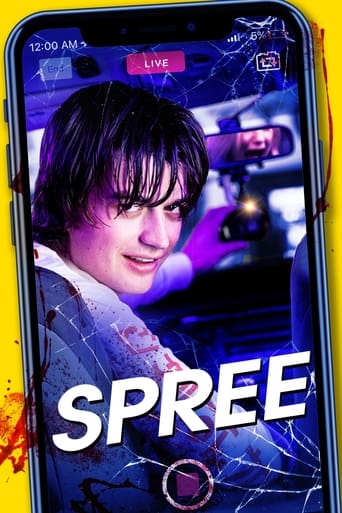
The horror films of the shelf are told on the screens of their victims: Unfriended, of 2014, a group of friends haunted during a video call by a classmate who died, and Unfriended: Dark Web, of 2018; Host, of 2020, by Rob Savage, a séance on Zoom made during the lockdown of 2020, at 57 minutes the shortest film of the guide, and Dashcam, of 2022, by the same director; Friend Request, of 2016; The Den, of 2013, a student who watches a murder on a webcam chat site; Deadstream, of 2022, a disgraced streamer who livestreams a night in a haunted house; Open Windows, of 2014, with Elijah Wood, and the two films of performers who live on camera, Cam, of 2018, and Spree, of 2020.
Archive footage
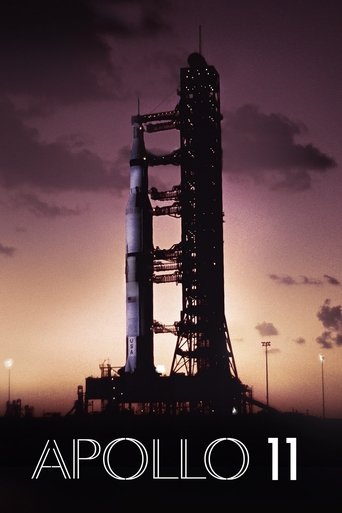
The shelf Archive footage holds twelve documentaries from 1970 to 2022 built from footage shot at the time, and with an average of 7.62 it is the best rated shelf of the guide. Its best rated film is Senna, of 2010, by Asif Kapadia, the life of the Brazilian champion of Formula One told only with the images of the races and the cameras of television, rated 8.1; Kapadia made two more films of the guide in the same way, Amy and Diego Maradona, of 2019. Apollo 11, of 2019, by Todd Douglas Miller, restores the large-format footage of the first landing on the Moon, rated 7.9, and For All Mankind, of 1989, made thirty years earlier from the films of the astronauts, tells the story of the Apollo missions; and a documentary of 2018 by Peter Jackson, named after a line of a poem of remembrance, colours and gives sound to the footage of British soldiers of the First World War, rated 7.8.
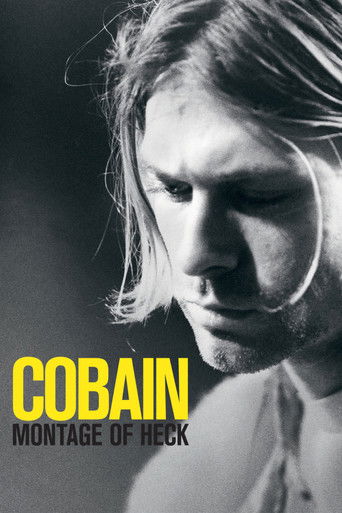
Music fills the rest of the shelf. Woodstock, of 1970, by Michael Wadleigh, three days of peace and music in 224 minutes, the longest film of the guide and the winner of the Academy Award for documentary; Gimme Shelter, of 1970, by the Maysles brothers and Charlotte Zwerin, the tour of the Rolling Stones that ended in the violence of Altamont; Amazing Grace, of 2018, the recording of the gospel album of Aretha Franklin in 1972, whose footage waited 46 years to be released; Cobain: Montage of Heck, of 2015, built from the home tapes and drawings of Kurt Cobain, and The Beatles: Get Back - The Rooftop Concert, of 2022, by Peter Jackson, the last concert of the Beatles on a London roof in 1969. Grey Gardens, of 1976, by the Maysles brothers, a mother and daughter of the Kennedy family living in a crumbling mansion, and Fire of Love, of 2022, the volcanologists Katia and Maurice Krafft told with their own footage of eruptions, complete it.
Behind the camera
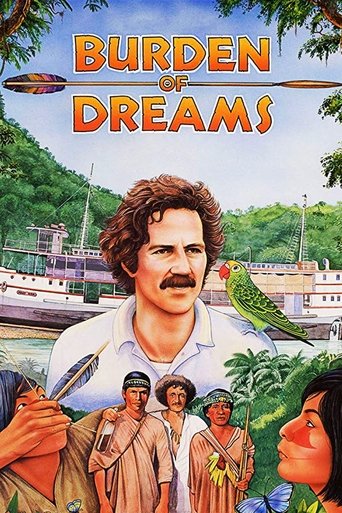
The shelf Behind the camera holds twelve films from 1982 to 2017 about the making of films, from the great disasters to the worst films ever made. Its best rated film is Hearts of Darkness: A Filmmaker's Apocalypse, of 1991, built from the footage that Eleanor Coppola shot on the set of Apocalypse Now in the Philippines, as typhoons, a heart attack and the madness of the production nearly destroyed her husband, rated 7.9; its companion is Burden of Dreams, of 1982, by Les Blank, the filming of Fitzcarraldo, in which Werner Herzog hauled a steamship over a mountain in the Amazon, rated 7.6. Herzog also directed Grizzly Man, on the shelf of camcorders. Lost in La Mancha, of 2002, follows Terry Gilliam through the collapse of his first attempt at Don Quixote, and Jodorowsky's Dune, of 2013, tells the science fiction epic that Alejandro Jodorowsky planned in the 1970s, with designs by Moebius and H. R. Giger, a film that stayed on paper and still influenced a generation, rated 7.8.
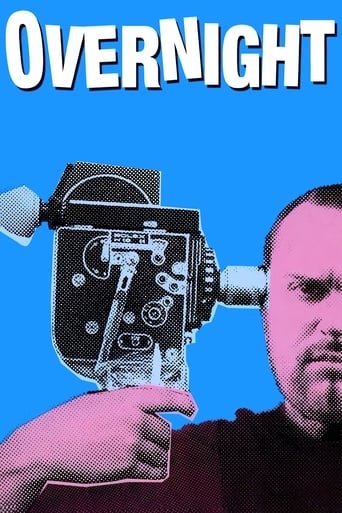
The worst films ever made have their own documentaries and comedies. Ed Wood, of 1994, by Tim Burton, with Johnny Depp as the cheerful director of Plan 9 from Outer Space, in black and white, rated 7.5; The Disaster Artist, of 2017, by and with James Franco, the making of The Room by Tommy Wiseau, the most voted film of the shelf; Best Worst Movie, of 2009, the cast of Troll 2 discovering their cult; American Movie, of 1999, a would-be director of horror films in Wisconsin and his friends, and Overnight, of 2003, the rise and fall of a bartender who sold his first script to Hollywood. The fictions of the set are Living in Oblivion, of 1995, with Steve Buscemi as a director whose shoot goes wrong in every possible way, and Bowfinger, of 1999, with Steve Martin as a producer who films a star, played by Eddie Murphy, behind his back, so that the film can be finished on the cheap.
The found footage boom
Found footage is older than the camcorder. Cannibal Holocaust, in 1980, already presented itself as the film rolls of a lost crew, and Man Bites Dog, in 1992, played the same trick for black comedy. But the genre became a boom only when the technology of video met the marketing of the internet. In 1999 The Blair Witch Project, shot on a camcorder and a 16-millimetre camera for about sixty thousand dollars, was sold through a website full of police reports and missing posters, and many viewers went to the cinema convinced that the three students had really vanished; the film earned almost a quarter of a billion dollars. Eight years later Paranormal Activity, made in a house of San Diego with a single camera, cost even less and earned almost two hundred million dollars, and the studios understood that a ghost story could be made for the price of a used car.
The decade that followed filled the shelves of the guide. Cloverfield took the form to the blockbuster in 2008, [REC] and its American remake Quarantine to the apartment building, Chronicle to the superhero film in 2012, the V/H/S anthologies to the short story, and Paranormal Activity to a series of six films. By the middle of the 2010s the camcorder gave way to the laptop, and the found footage of the internet age, Unfriended, Searching and Host, moved the story onto the screen itself. The guide The found footage boom follows the genre from Cannibal Holocaust to the screen-life films.
The life and death of VHS
The videotape changed the way the world watched films. In the 1980s the video recorder let families tape television and rent films for the weekend, and the video stores became the film schools of a generation: Kevin Smith worked in one before he shot Clerks there, and Quentin Tarantino in another before he made his first films. The tape also made amateurs into filmmakers. The camcorder recorded the birthdays and holidays that Aftersun, Capturing the Friedmans and Stories We Tell turn into cinema, and it gave the children of Super 8 and The Fabelmans their first studio.
When the DVD and then the internet replaced the tape, the video stores closed one by one, and the tape became an object of nostalgia and of horror. Be Kind Rewind mourned the corner store with a comedy of homemade remakes; the documentaries Rewind This! and Adjust Your Tracking followed the collectors who still buy every tape they can find, and Kim's Video went looking for the lost collection of a famous store of New York. Meanwhile horror kept the tape alive as a curse, from the black-and-white well of Ring to the boxes of Super 8 film of Sinister and the stack of VHS cassettes of V/H/S, as if every forgotten recording could still wake up and play. The guide The life of VHS follows the tape from the video store to the cult.
The directors and the stars
A few directors return to the tape again and again. Hideo Nakata made three films of the guide, the two Japanese Ring films and the American Ring Two; Asif Kapadia three documentaries of archive and home video, Senna, Amy and Diego Maradona; Christopher Guest three mockumentaries, and Kōji Shiraishi two Japanese films of curses, Noroi and Sadako vs. Kayako. Adam Wingard made Blair Witch and segments of the V/H/S films, Rob Savage the two screen-life films Host and Dashcam, Peter Jackson the two films of restored archives, Kirsten Johnson two camcorder documentaries and Woody Allen two of the oldest mockumentaries. The guide The directors lists them all.
TapeMotion in figures
The 151 films of the guide were released from 1960 to 2023: three in the 1960s, four in the 1970s, eleven in the 1980s, 22 in the 1990s, 29 in the 2000s, 67 in the 2010s, the decade of the found footage boom, and fifteen in the 2020s. They carry about 300,200 votes on TMDB, with an average rating of 6.66; six reach 8 or more, Cinema Paradiso with an 8.4, Paris, Texas and Senna with an 8.1, and The Lives of Others, American Beauty and the rooftop concert of the Beatles with an 8.0. The collection Rated 7.5 or more gathers the 30 films rated 7.5 or more, best first; the collection Before 1990 gathers the eighteen oldest, from Peeping Tom to sex, lies, and videotape, and the collection The 2010s the 67 films of the decade. Together the films last 14,886 minutes, more than 248 hours, about 124 cassettes of two hours each; the longest is Woodstock, with 224 minutes, and the shortest is Host, with 57. The guide The figures gathers every number.
Where to begin
For a first evening, choose one film from each family. From Found footage, try The Blair Witch Project or Cloverfield, then Lost Highway for a tape you will think about for days. From On tape, try This Is Spinal Tap for laughter, Cinema Paradiso for tears and Aftersun for the camcorder. From On the record, try The Conversation for paranoia, Searching for the laptop and Apollo 11 for the footage of the Moon. The guide Start with TapeMotion gives one pick from each shelf.
How to use TapeMotion
The home page opens with the introduction on a cream cassette label and then the Tape library, the twelve cassette spines of the shelves. Each spine shows its family in small capitals, the name of the shelf and its number of films, and leads to its row on the same page. Each row opens with a blue PLAY label, shows a line of posters and closes with a Rewind all button that opens the full shelf. The menu in the header leads to the three families, and the search box finds any film by its title; the guide Search tips explains how.
Each poster carries the year in a red badge, the TMDB rating in a small dark label and, at the bottom, the tag of its shelf in blue capitals, for example Found footage or Archive; under the poster come the first genre and the running time. The page of each film has the English synopsis, the cast, the director and the genres. The Watch now button opens the film on JustWatch, which shows the services that offer it in your country, and the button Add to My List keeps it in My tapes, stored in your browser. The guide How to use TapeMotion explains each part, and the guide The Watch now button explains how JustWatch works.
Sound on tape
Before the videotape there was the audio tape, and some of the most memorable films of the guide are about what a microphone can catch. The Conversation and Blow Out, made seven years apart, are both portraits of men who listen for a living: Gene Hackman's Harry Caul, who plays the same few seconds of a conversation over and over until he hears a threat in them, and John Travolta's Jack Terry, a sound man of cheap horror films who records a gunshot in the night and plays it back again and again. Both films end with their heroes alone among their machines, a warning about the price of listening too closely. Enemy of the State and The Lives of Others carried the same fear into the age of satellites and of the Stasi.
The cassette also gave the cinema its love stories. The Awesome Mix of Guardians of the Galaxy is the last gift of a dying mother; the compilation tapes of High Fidelity are a record-store owner's way of telling women what he feels; the mixtape of The Perks of Being a Wallflower is a first sign of friendship, and the girl of Mixtape tries to know her late parents through the songs they chose. In Baby Driver the cassette becomes a weapon of survival: its hero records the voices around him and turns them into music, the only way he can make sense of a life of crime. The guide The mixtape gathers the films of the cassette and their soundtracks.
After the tape
The tape has gone, but its forms have survived on new machines. The camcorder became the phone, and the found footage of Cloverfield became the vertical videos of a crowd; the mixtape became the playlist, and the video store became the catalogue of a streaming service, where the films of this guide now wait for a click instead of a trip to the corner shop. The screen-life films are the clearest heirs: Searching, Missing and Host tell their stories with the same windows, chats and recordings that fill our own screens, and they ask the old question of the found footage film in a new way, whether we can trust what a recording shows us. The documentaries of archive answer it from the other side, by restoring the footage of the past until it looks as if it had been filmed yesterday, as the Moon landing of Apollo 11 and the rooftop concert of the Beatles now do.
Questions
What is TapeMotion
An English guide to 151 films of tape, found footage, home video and recordings, on twelve shelves in three families.
What counts as a film of tape
A film made as a recording, about a recording or from recordings, from found footage to archive documentaries.
Which film has the most votes
Guardians of the Galaxy, with its mixtape, with about 30,500 votes on TMDB.
Which film is the best rated
Cinema Paradiso, with an 8.4.
Which is the oldest film
Peeping Tom, of 1960, by Michael Powell.
Which is the longest film
Woodstock, of 1970, with 224 minutes.
Which found footage film started the boom
The Blair Witch Project, of 1999.
Which shelf is the best rated
Archive footage, with an average of 7.62.
Where can I watch the films
The Watch now button opens each film on JustWatch, which shows the services that offer it in your country.
Where is My list kept
In your browser, on the device where you create it.
